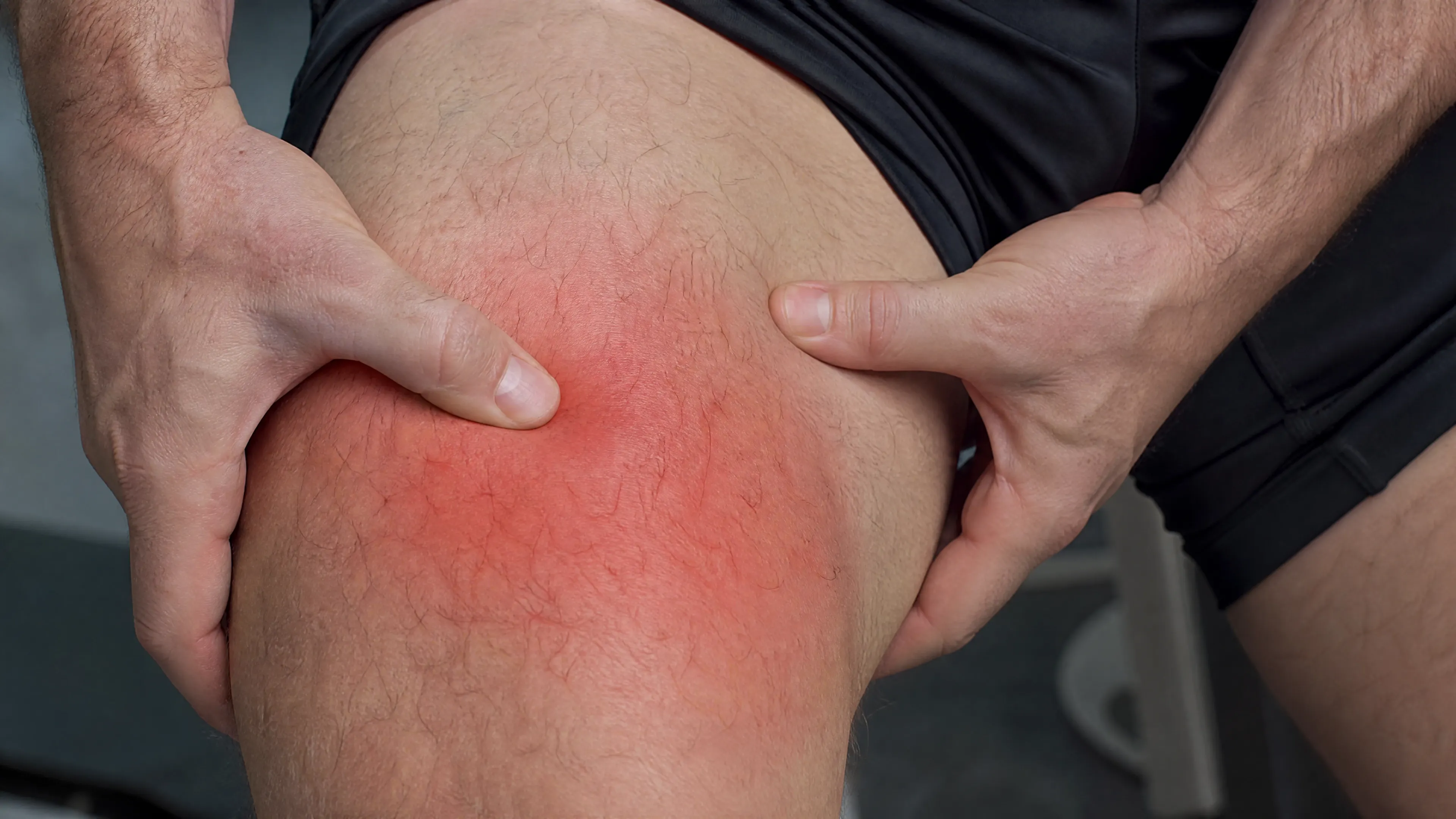
A 29-year-old man was worn out in a way he could not shake. For about a year he had been exhausted, aching all over with a diffuse muscle pain, and sleeping badly. He was young, presumably busy, and the explanation offered fit the times we live in: burnout. He was given behavioural therapy, advice on sleep hygiene, and told to take a break from sport and exertion. Six months later, none of it had helped. He was just as tired, just as sore, and no closer to an answer.
That failure to respond is the first thing worth noticing, but there is a second, quieter problem in how the diagnosis was reached. Burnout is a description of a state, exhaustion tied to stress and overload, and it is diagnosed largely by the story and by ruling other things out. In a young man with fatigue it is an easy label to reach for, and an easy one to reach for too soon. The trouble is that one of his symptoms was not psychological at all. He had muscle pain, real and persistent, and muscle pain has a simple, cheap test attached to it that tells you whether the muscle itself is being damaged.
If you have unexplained exhaustion together with genuine muscle pain, and treatment for stress or burnout is not helping, it is worth asking whether a basic blood test of your muscle enzymes has actually been done.
Certain features suggest that fatigue and aching are coming from the muscles or an inflammatory illness rather than from stress alone:
- Muscle pain accompanied by weakness, such as difficulty climbing stairs, rising from a chair, or lifting the arms above the head
- Symptoms that persist or worsen despite rest, therapy and lifestyle changes
- Muscle enzymes raised on a blood test, which points to muscle being actively damaged
- Skin changes, such as a rash on the eyelids, knuckles, chest or shoulders, which can accompany some muscle diseases
- Difficulty swallowing, or shortness of breath, if the disease involves the muscles used for those functions
- A relatively young patient with new, unexplained and progressive symptoms
The distinction that matters most is between being tired and being weak. Fatigue is a feeling. Weakness is a loss of function, and it points toward the muscle itself.
What the first opinion concluded
His first assessment came from his GP and psychiatry, which diagnosed burnout and recommended continued psychotherapeutic support.
Burnout is real, and in an exhausted young adult it is a reasonable thing to consider. Offering psychological support was not the mistake.
The mistake was accepting the label before doing the basic test his symptoms called for. Burnout, like several diagnoses in this series, is partly a diagnosis of exclusion, safest to reach once the physical causes of fatigue have been checked. His muscle pain was a specific, physical symptom, and the appropriate response to muscle pain is to measure creatine kinase, or CK, the enzyme that leaks into the blood when muscle is being damaged. It is a routine, inexpensive test that belongs in the basic workup whenever muscles hurt. It had not been sent, and so a physical disease was left to progress while he was treated for stress.
The second opinion
He was referred for a medical second opinion, this time to rheumatology within internal medicine, and the missing test was finally done.
His CK came back persistently elevated, at 720, well above the normal range, which meant his muscle was being actively broken down. That single result changed the entire direction of his care. Further testing followed:
- Myositis-specific antibodies, which came back positive, pointing to an autoimmune muscle disease
- A muscle biopsy, which confirmed the diagnosis directly
He had dermatomyositis, an autoimmune inflammatory disease in which the body's immune system attacks its own muscle, and often the skin. It explained his exhaustion, his diffuse muscle pain, and the failure of every stress-based treatment to touch any of it. His body had been fighting a real, physical illness the whole time.
Dermatomyositis is treatable. He was started on immunosuppression, with prednisolone and methotrexate, to switch off the immune attack. Within four months he was in full remission, and his CK had returned to normal.
Why this case matters
The lesson is short and practical enough to act on.
Unexplained exhaustion deserves investigation, not a category to be filed under. And when muscles hurt, CK belongs in the basic blood panel.
There is a strong pull, when a young person presents with fatigue, to reach for a lifestyle or stress explanation, because those are common and often correct. But a label should not substitute for a test that costs almost nothing and answers a specific question. His muscle pain was the clue, sitting in plain view, and a single blood result would have redirected his entire year. Good communication in healthcare means treating a physical symptom as something to be investigated rather than absorbed into a psychological narrative, and being clear with a patient about what has actually been ruled out.
A word of balance
This is not a suggestion that burnout is not real, because it is, and it causes genuine suffering, and psychological support helps many people who have it. Inflammatory muscle diseases like dermatomyositis are far less common than burnout, and most fatigue is not caused by them. The narrow, practical point is about the combination: fatigue with real muscle pain, especially when it is not improving, warrants a simple muscle enzyme test before the picture is called burnout. Testing does not mean abandoning support for stress. The two can happen together, and the blood test is quick.
A medical second opinion is especially worth seeking when:
- Your exhaustion comes with genuine muscle pain or weakness, not tiredness alone
- Treatment for burnout or stress has not helped after a fair trial
- No blood test of your muscle enzymes has been done despite muscle symptoms
- You notice weakness in specific tasks, such as stairs or lifting, or any new rash
Which leaves the question this case puts to any diagnosis of exhaustion: before we call it burnout, have we done the simple tests that would tell us whether the body, and not only the mind, is the source?
This is exactly the kind of case CW1 exists for, helping patients secure a medical second opinion when a stress label leaves physical symptoms unexplained, and supporting the communication in healthcare that gets a basic test done before a diagnosis is assumed.
Note: this is one case rather than medical advice, and no one should stop treatment or support for burnout on their own. If this resonates, the right next step is a careful conversation with your doctor about a physical workup.