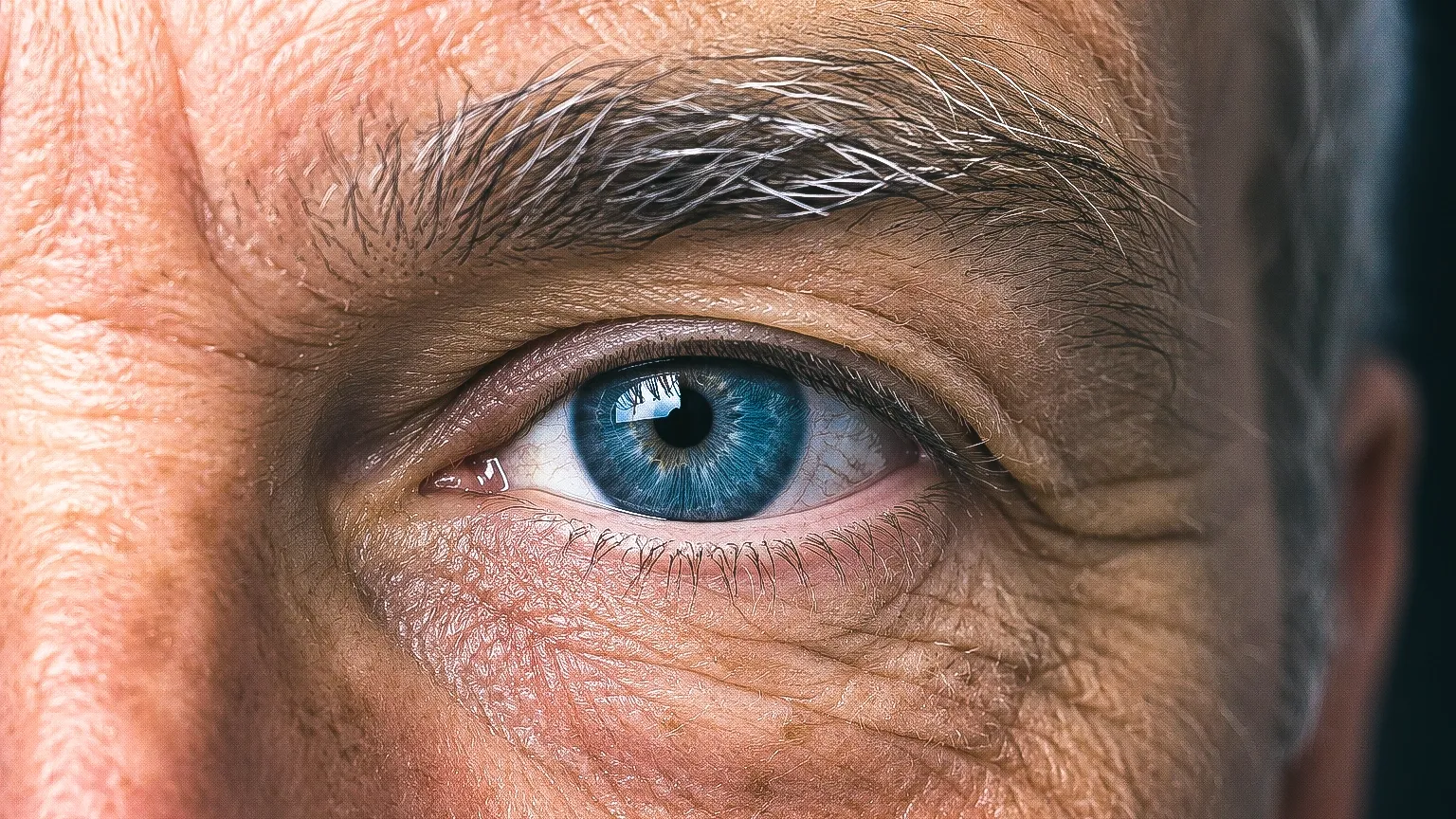
A 57-year-old man complained that his vision that kept failing him. In his right eye it would dim or grey out in episodes, then come back. He had headaches, concentrated at his temples. And there was a third symptom, one that sounds minor and turns out to be anything but: his jaw ached when he chewed, so that eating a meal became something he had to pause partway through.
The diagnosis he was given was a TIA, a transient ischaemic attack, a warning stroke caused by atherosclerosis. It is a serious diagnosis and a reasonable thought in a man of his age with episodic visual loss. He was started on anticoagulation and antiplatelet therapy to reduce his cardiovascular risk.
But one of his three symptoms did not belong in that diagnosis at all, and it was the one that should have redirected everything. Jaw pain on chewing is not a feature of stroke or of atherosclerotic disease. It has a specific, well-known meaning, and it is the single most telling symptom in the condition he actually had. Combined with temporal headache and visual loss in a man over fifty, his presentation was close to a textbook description of something else entirely, something where the time available to act is measured not in months but in days.
If you have new headaches at your temples, episodes of losing vision, and your jaw aches when you chew, this combination is an emergency. It needs same-day medical attention, not a scheduled appointment.
The features of this condition are worth knowing precisely because recognising them early is what preserves sight:
- New headache, usually over one or both temples, in someone over fifty
- Jaw pain or fatigue while chewing, easing when you stop, which is the most specific clue of all
- Episodes of blurred vision, dimming or loss, in one eye or both, which may be brief at first
- Scalp tenderness, where combing your hair or resting your head on a pillow hurts
- A tender, thickened or pulseless temporal artery at the side of the head
- Fever, fatigue, weight loss or aching shoulders and hips, the signs of an inflammatory illness
The visual episodes are the warning shot. They tend to precede permanent loss, and once the sight in an eye is gone from this condition, it does not come back.
What the first opinion concluded
His first assessment came from neurology, which diagnosed a TIA and treated for cardiovascular risk reduction with blood-thinning therapy.
Episodic visual loss in a 57-year-old man genuinely can be a warning stroke, and treating a suspected TIA promptly is correct, important medicine. Considering it was not the error.
The error was in what the diagnosis excluded from view. Once the case was framed as a blood-vessel blockage problem, the jaw pain became a detail rather than a signal, and the inflammatory possibility was never tested. The tests that would have settled it are among the simplest in medicine: two basic blood markers of inflammation, results back within hours. They were not sent. Meanwhile he was given treatment that does nothing whatever for the disease he had, while the disease continued to threaten the blood supply to his optic nerve. The clock was running and nobody had started it.
The second opinion
He was referred for a medical second opinion, this time with neurology and ophthalmology working together, and the answer arrived quickly because the right questions were finally asked.
His inflammatory markers were dramatically abnormal, an ESR of 115 and a CRP of 68, values that indicate substantial ongoing inflammation somewhere in the body. An examination of the back of the eye followed, and then an emergency biopsy of the temporal artery, which confirmed it.
The diagnosis was temporal arteritis, also called giant cell arteritis: an inflammation of the medium and large arteries, including those supplying the head and, critically, the optic nerve. It explained everything he had. The temporal headache, the jaw pain when chewing (the muscles were being starved of blood as they worked), and the episodes of visual loss, which were his optic nerve warning that its own blood supply was failing.
The treatment is high-dose corticosteroids, and it is started immediately, often before the biopsy result returns, because waiting costs eyesight. He was treated, and his vision was preserved. Without that treatment, irreversible blindness was possible within days.
Why this case matters
The lesson here is about speed and about curiosity.
The treatment window in temporal arteritis is hours to days. A fast diagnosis is required, and that depends on someone asking about the thing they were not expecting to find.
Most of the cases in this series involve months of the wrong treatment, and the second opinion arrives in time because the disease was slow. This one is different. Here the margin was days, and the difference between a good outcome and permanent blindness in one or both eyes was whether anyone thought to send two cheap blood tests before settling on the more expected diagnosis. Good communication in healthcare means a patient being asked about the symptoms that do not fit the working theory, and being told which dangerous possibilities have actually been ruled out rather than simply not considered.
A word of balance
This is not a claim that TIAs are commonly misdiagnosed, because they are frequent, dangerous and rightly treated urgently. Giant cell arteritis is much less common, and most headaches, even in people over fifty, are not caused by it. The narrow, practical point concerns a specific combination: new temporal headache, visual symptoms and jaw pain on chewing in an older adult. That triad should trigger inflammatory blood tests immediately, because the cost of a delay is measured in permanent sight.
Urgent medical attention, and where appropriate a rapid medical second opinion, is especially warranted when:
- You are over fifty with a new headache, particularly over the temples
- Your jaw aches or tires when chewing and settles when you stop
- You experience any episode of vision dimming, blurring or loss, however brief
- Your scalp is tender, or your temple feels sore, thickened or ropey to the touch
Which leaves the question this case makes urgent: when the symptoms do not all fit the expected diagnosis, do we ask about the one that does not belong, or do we let it disappear into a label?
This is precisely the kind of case CW1 exists for, helping patients secure a rapid medical second opinion when a diagnosis leaves symptoms unexplained, and strengthening the communication in healthcare that ensures a dangerous possibility is ruled out rather than simply overlooked.
Note: this is one case rather than medical advice. The symptoms described here are a medical emergency. If you have new temporal headache with visual changes or jaw pain on chewing, seek urgent care the same day rather than waiting for an appointment or a second opinion.