A 22-year-old woman came to us thin, exhausted, and eating less and less. She had been losing weight. She had started restricting what she ate, cutting out foods, narrowing her diet. She also had bloating and diarrhoea, and a fatigue that never lifted. From the outside it formed a picture that many clinicians have seen before, and the conclusion reached was a restrictive eating disorder, with a suggestion of orthorexia, an obsessive fixation on eating only "safe" or "pure" foods. She was admitted to an inpatient psychosomatic unit.
The logic held together, and that is what makes this case worth telling. A young woman avoiding food and losing weight fits the pattern so well that the pattern can absorb the evidence rather than be tested by it.
But there was something in her presentation that the psychiatric label did not comfortably explain. She had bloating and diarrhoea. Restricting food does not, by itself, produce diarrhoea. Those gut symptoms were physical, they were persistent, and they were pointing at the bowel while everyone was looking at the mind. And there was a second thing, one that only becomes obvious once the answer is known: her food restriction may have been a rational response to her illness rather than a symptom of a disordered one. If particular foods reliably made her ill, then avoiding them was not psychological pathology. It was learning.
If food avoidance goes hand in hand with real physical symptoms like diarrhoea and bloating, it is worth asking whether the avoidance is the disease, or whether it is a sensible reaction to a disease nobody has found yet.
Certain features suggest a physical bowel disease may be driving the picture:
- Diarrhoea, bloating and abdominal pain that persist and are clearly linked to eating certain foods
- Weight loss that outpaces the actual restriction, with the body seemingly unable to absorb what is eaten
- Food avoidance that developed as a reaction to symptoms, rather than from a fear of weight gain or a distorted body image
- Fatigue, anaemia or nutrient deficiencies that suggest poor absorption rather than simply low intake
- Symptoms that continue even when the person is eating, rather than resolving with refeeding alone
What the first opinion concluded
Her first assessment came from psychiatry and psychosomatic medicine, which diagnosed an eating disorder and moved to psychotherapy, nutritional counselling and inpatient care.
Eating disorders are serious, common, and genuinely life-threatening, and inpatient treatment saves lives. Taking her weight loss seriously was right. The failure was not in caring about the possibility. It was in accepting it without excluding the physical cause first.
The cost of that omission was significant. She was placed in psychological treatment for a disease she did not have, while the real disease continued to damage her gut and starve her body. Worse, an untested psychiatric label can quietly reframe everything a patient says. A woman who insists that certain foods make her ill is telling the truth about coeliac disease and, if the label is already fixed, can be heard as a woman rationalising her restriction. The diagnosis becomes self-sealing, and the more she describes her real symptoms, the more they are read as evidence of the wrong condition.
The second opinion
Her parents pushed for a gastroenterology review, and this is worth noting plainly, because the second opinion in this case happened only because someone advocated for her. The investigations were routine ones, available to anybody:
- Coeliac serology (tTG-IgA), a simple blood test, which came back strongly positive
- A duodenal biopsy, taken during an endoscopy, which showed Marsh III changes, meaning the lining of her small intestine had been flattened and damaged
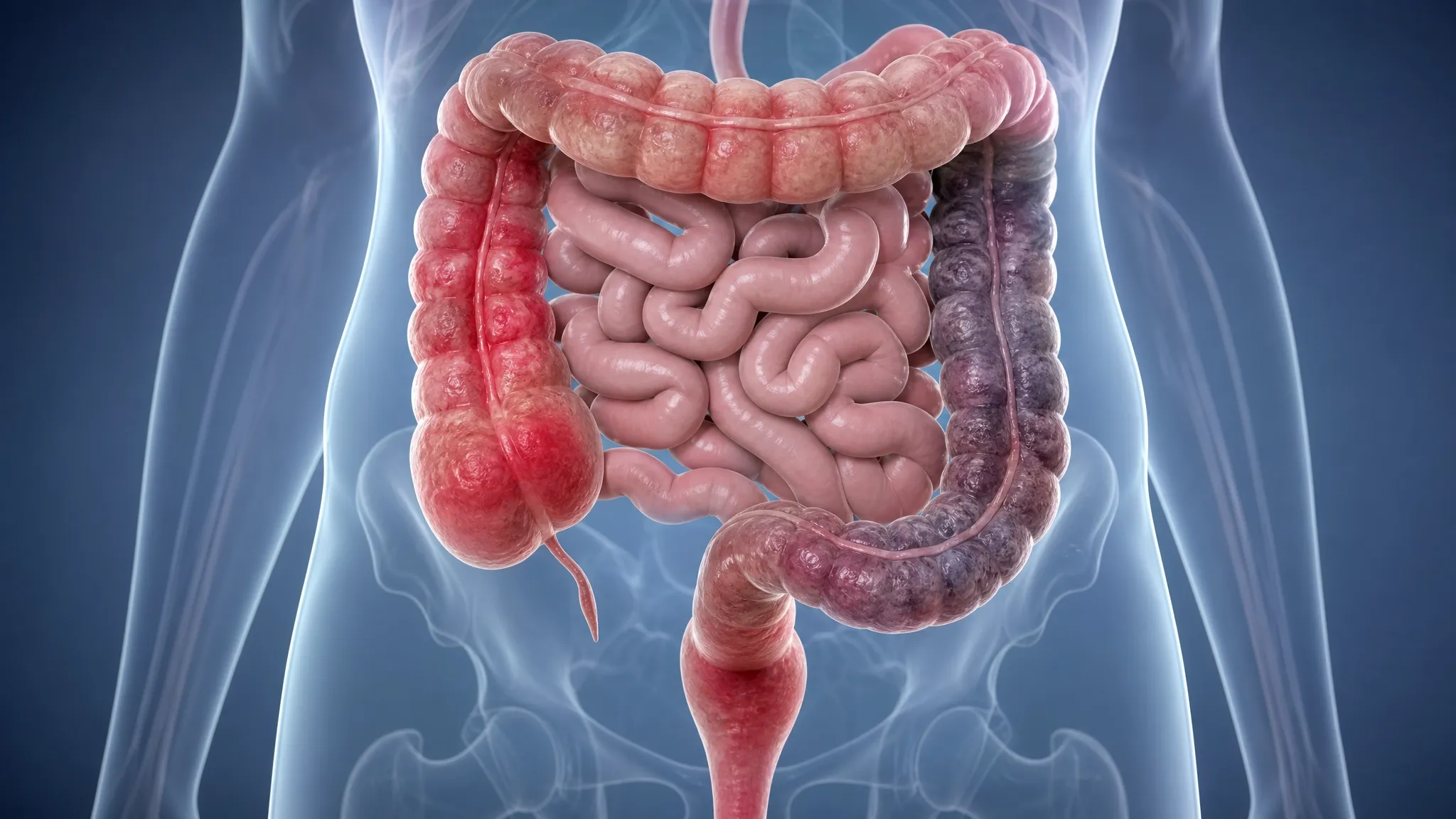
The diagnosis was coeliac disease. Her immune system was reacting to gluten and destroying the surface of her small bowel, the very surface that absorbs nutrients from food. That explained all of it: the diarrhoea and bloating after eating, the fatigue, the weight loss despite eating, and the food avoidance, which had been her body's honest feedback all along.
The treatment was not therapy. It was a gluten-free diet. Within six months her weight had normalised completely, and all of her gastrointestinal symptoms had resolved.
Why this case matters
The lesson is uncomfortable and worth stating precisely.
Physical illness can look psychological. And sometimes a psychiatric diagnosis is the easiest path, not the correct one.
The danger is not that clinicians consider psychological causes, which they should. It is that a psychiatric label, once applied, can become unfalsifiable, absorbing the patient's protests as further proof. Good communication in healthcare means keeping a physical explanation genuinely on the table, being clear about what has and has not been ruled out, and treating a patient's account of her own body as data rather than as a symptom. A blood test costing very little would have answered the question in days.
A word of balance
This part matters more than any other in this piece, so let me be direct.
Eating disorders are real, they are common, and they have among the highest mortality rates of any mental illness. This case is not evidence that eating disorders are usually a misdiagnosed physical problem, because they are not. Most people diagnosed with one genuinely have one, and psychological treatment is exactly what saves their lives.
It is also true that people with eating disorders very often feel certain their problem is physical, and may seek out medical explanations to avoid treatment. That belief is itself part of the illness. So this post is not permission to reject a psychiatric diagnosis or to delay care. If you or someone you love has been diagnosed with an eating disorder, staying in treatment is the right thing to do.
The narrow point is simply this: physical causes should be excluded properly, with basic tests, as part of a thorough workup, and the two things can be done at the same time. Testing for coeliac disease does not require abandoning psychological care.
A medical second opinion is worth considering when:
- Food restriction is accompanied by persistent diarrhoea, bloating, or symptoms of poor absorption
- Weight loss seems out of proportion to what is actually being eaten
- The avoidance clearly started as a reaction to physical symptoms rather than from body image concerns
- Basic tests, including coeliac serology, have not been done as part of the workup
Which leaves the question this case leaves behind: when a psychological explanation fits neatly, have we still done the simple physical tests that could prove it wrong?
This is the kind of case CW1 exists for, helping patients and families secure a medical second opinion when an explanation does not fit the whole picture, and supporting the communication in healthcare that keeps a physical cause on the table alongside a psychological one.
Note: this is one case rather than medical advice, and it is not a reason to stop or refuse treatment for a diagnosed eating disorder. If any of this resonates, please raise it with your doctor rather than acting on it alone.